
Smart Terminal SBC Solutions for Android and Linux Interactive Devices
Android and Linux embedded board solutions for smart terminals, interactive devices, commercial terminals, kiosks, and connected equipment.
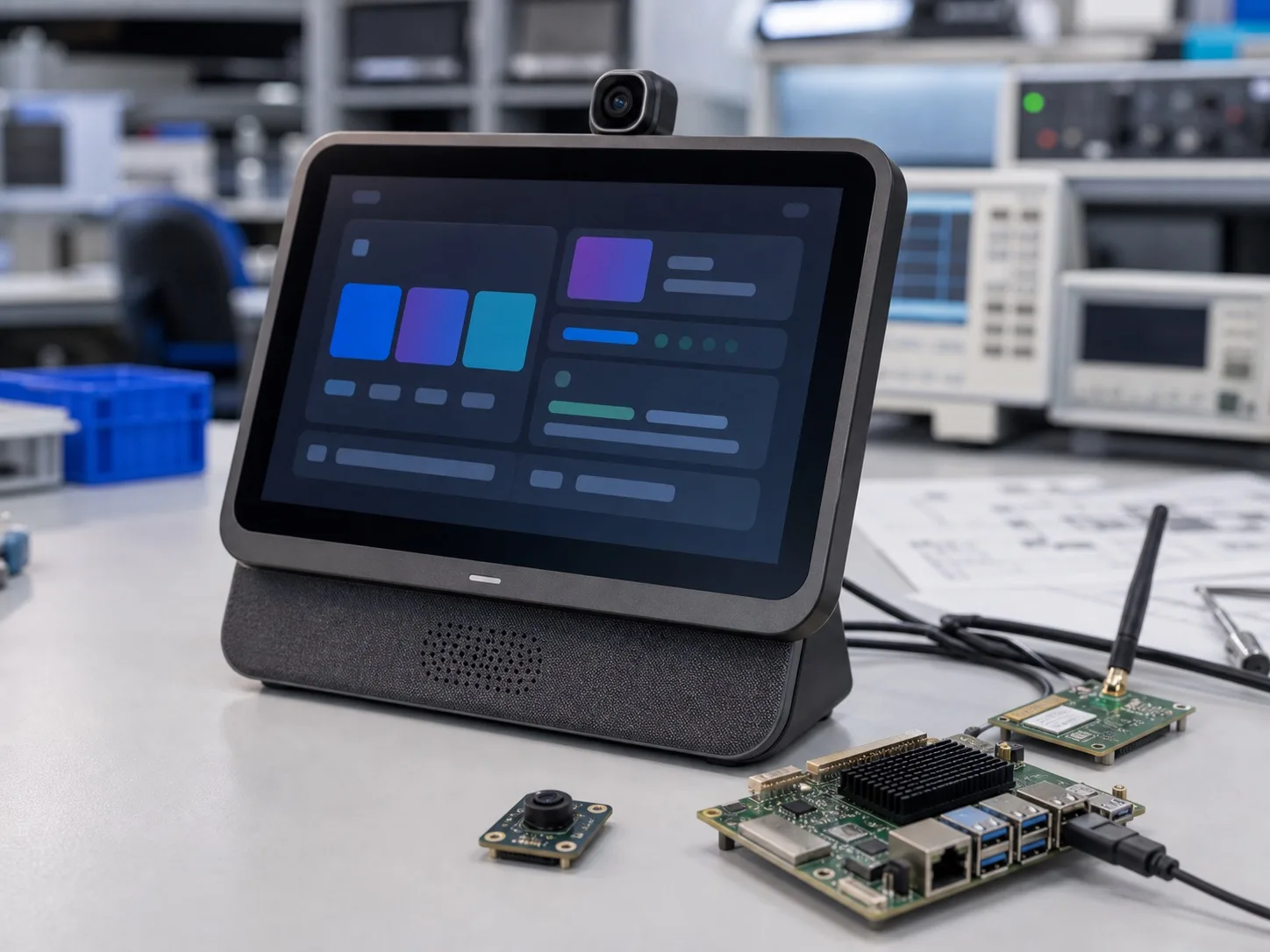
Embedded boards for interactive terminal products
Smart terminal projects often combine display, touch, app workflow, wireless connectivity, audio, camera, printer or scanner modules, enclosure structure, and production cost targets.
Avontek helps customers evaluate Android and Linux board directions, select a suitable Rockchip or Allwinner SoC, adapt BSP and drivers, customize the mainboard, and prepare the product for testing and production.
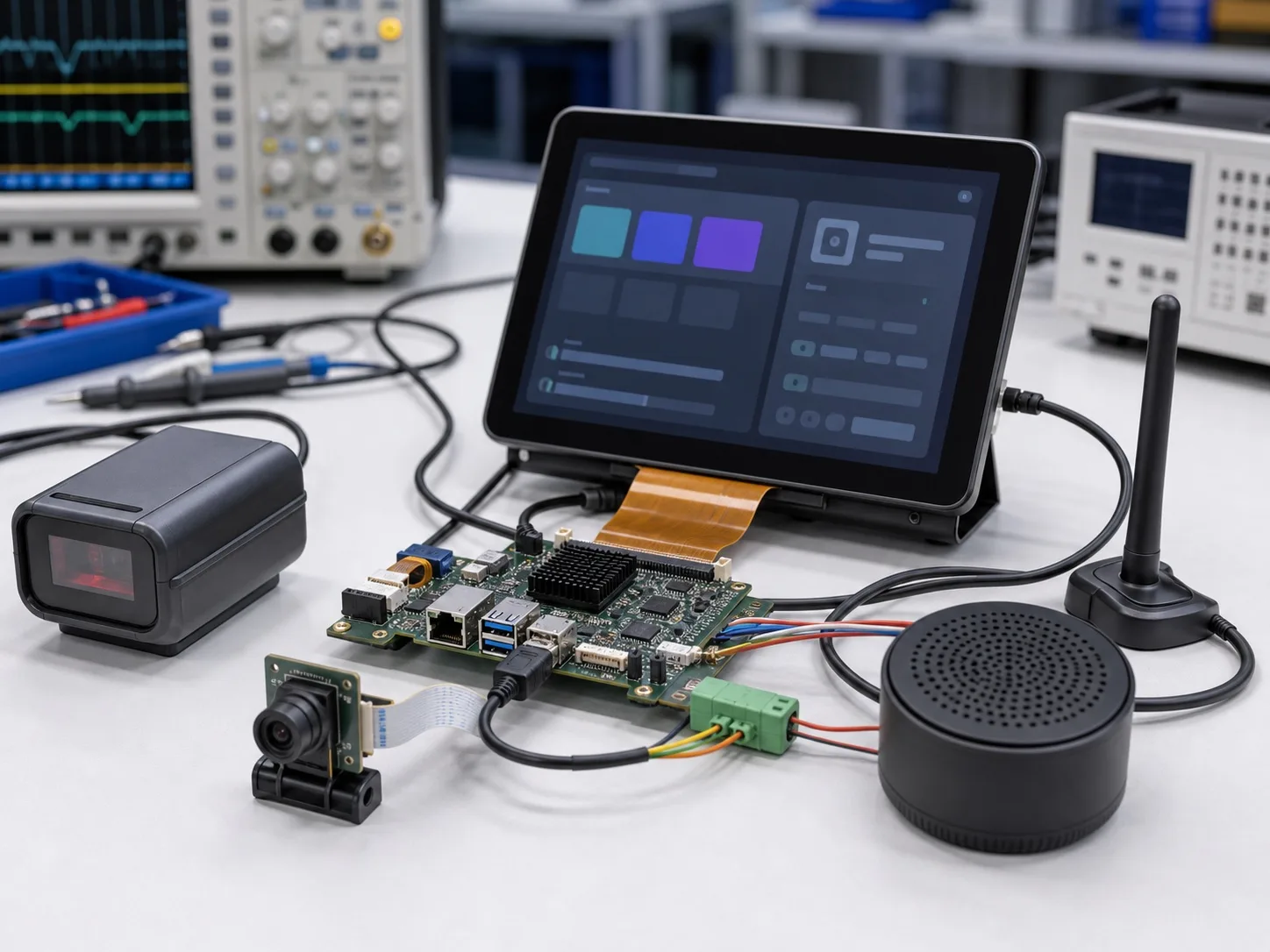
Build around the terminal user workflow
A smart terminal is usually defined by the user workflow: display size, touch operation, app environment, camera or scanner module, audio, network, peripheral interfaces, enclosure design, and cost target. Avontek helps match these requirements to an Android terminal board, Linux terminal board, or custom mainboard.
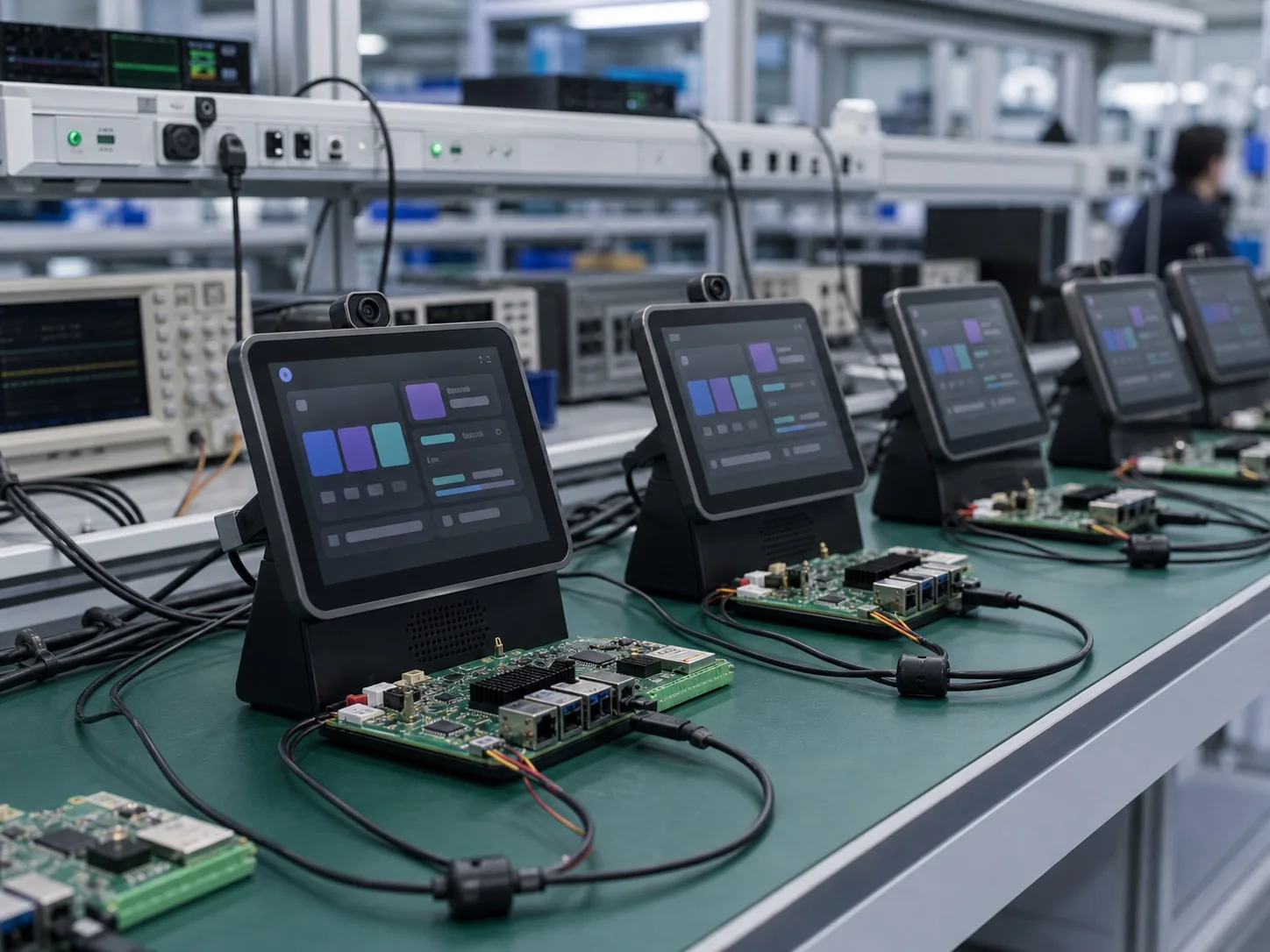
Connect peripheral integration with stable production
Smart terminal projects often need product-specific connectors, peripheral drivers, cable direction, button or sensor placement, wireless module selection, software image preparation, and repeatable testing. Avontek supports the board and software path from platform selection through sample validation and batch production.
Smart terminal solution scope
A smart terminal is a complete interaction product. The board needs to support the screen, touch workflow, app environment, peripheral modules, enclosure assembly, software image, and production test process.
What makes a terminal board different from a generic SBC
A smart terminal usually has more product-specific requirements than a standard SBC page can describe. The board may need to connect a display, touch panel, camera, audio, scanner, printer, card reader, buttons, sensors, wireless module, Ethernet, USB, serial ports, and storage in a fixed enclosure.
Avontek helps customers evaluate whether the project should start from Android SBC, Linux SBC, Rockchip SBC, Allwinner SBC, or custom SBC development.
- Android terminal board selection for touchscreen UI, app workflow, multimedia, and commercial interface products.
- Linux terminal board selection for system services, gateway behavior, data collection, or dedicated embedded applications.
- Custom mainboard planning for enclosure fit, connector position, cable direction, and cost control.
- Peripheral driver bring-up for display, touch, camera, audio, wireless, USB, UART, GPIO, storage, and other modules.
Android BSP, driver development, and application environment
For Android smart terminals, BSP work often needs to go beyond simply booting Android. The product may require display and touch adaptation, peripheral driver integration, startup behavior adjustment, system settings control, application environment preparation, and production image management.
Avontek can support Android BSP adaptation and driver work around Rockchip and Allwinner platforms, especially when the project needs a terminal board rather than a generic development board.
- Display timing, touch driver, camera, audio, wireless, Ethernet, USB, and serial interface checks.
- Android image preparation, boot behavior, app environment, system configuration, and production image control.
- Functional tests for UI, peripheral devices, network, storage, audio, and product-specific workflows.
Terminal project information to prepare
A good terminal requirement package should describe both user-facing behavior and board-level constraints.
- Terminal application scenario, screen size, UI workflow, Android or Linux direction, and app requirements.
- Peripheral list such as camera, audio, scanner, printer, NFC, wireless, Ethernet, USB, serial, buttons, sensors, and storage.
- Mechanical structure, PCBA outline, mounting holes, cable direction, connector openings, and component height limits.
- Quantity, target cost, sample schedule, test method, software image control, and production plan.
What Avontek supports
These are the practical engineering and delivery areas that usually decide whether a solution can move from prototype discussion to a product-ready board or complete device.
Android UI and BSP
Android system image, display and touch bring-up, boot behavior, peripheral drivers, application environment, and production image preparation.
Terminal peripherals
Camera, audio, Wi-Fi, Bluetooth, Ethernet, USB, UART, GPIO, storage, buttons, sensors, scanner modules, and product-specific devices.
Mechanical board fit
PCBA outline, mounting holes, connector position, cable direction, component height, enclosure fit, and customer mold adaptation.
Production path
Sample validation, functional testing, software checks, BOM review, manufacturing coordination, and follow-up batch planning.
Smart terminal platform directions
Smart terminals often use Android-capable platforms such as PX30, RK3326, RK3288, RK3566, RK3576, RK3399, A33, and A64. Linux can also be evaluated for terminal products with system service or gateway functions.
Typical applications
Smart terminal project evaluation points
For terminal products, Avontek reviews both the interface experience and the hidden board-level requirements that affect assembly, testing, and follow-up production.
- Display size, touch workflow, Android application environment, and UI performance
- Camera, audio, scanner, printer, NFC, wireless, Ethernet, USB, UART, GPIO, and storage needs
- Board outline, connector direction, cable path, enclosure fit, component height, and assembly constraints
- Android BSP, Linux BSP, boot behavior, peripheral driver work, and production image preparation
- Sample testing, functional test steps, BOM review, packaging, and delivery planning
Typical smart terminal delivery path
- Define terminal workflow, display, touch, OS, peripheral, enclosure, and quantity requirements
- Select Android SBC, Linux SBC, or custom smart terminal board direction
- Adapt BSP, display, touch, camera, audio, wireless, and peripheral drivers
- Validate samples with customer application, boot behavior, I/O, wireless, and mechanical fit
- Coordinate PCBA production, software image control, functional testing, and production feedback
Smart Terminal SBC Solutions questions
- Can Avontek develop a custom smart terminal board?
- Yes. Avontek can support custom smart terminal boards with display, touch, camera, audio, wireless, Ethernet, USB, serial ports, storage, power input, enclosure fit, Android or Linux BSP, and production testing.
- Are smart terminals usually Android based?
- Many smart terminals use Android because it supports touchscreen UI and application workflows. Linux can also be used when the product focuses on services, control, gateway behavior, or a dedicated embedded application.
- Which SoCs fit smart terminal projects?
- Common directions include PX30, RK3326, RK3288, RK3566, RK3576, RK3399, A33, and A64 depending on display, UI performance, multimedia, cost, and software requirements.
- What information is needed for a smart terminal inquiry?
- Useful information includes terminal application, display size, touch panel, OS direction, peripheral list, wireless needs, enclosure structure, power input, quantity, and schedule.