
B2B Custom SBC Platform
PX30 SBC for Compact Android and Linux Terminals
PX30 SBC and custom PX30 board development for compact Android and Linux terminals, display products, and connected devices.
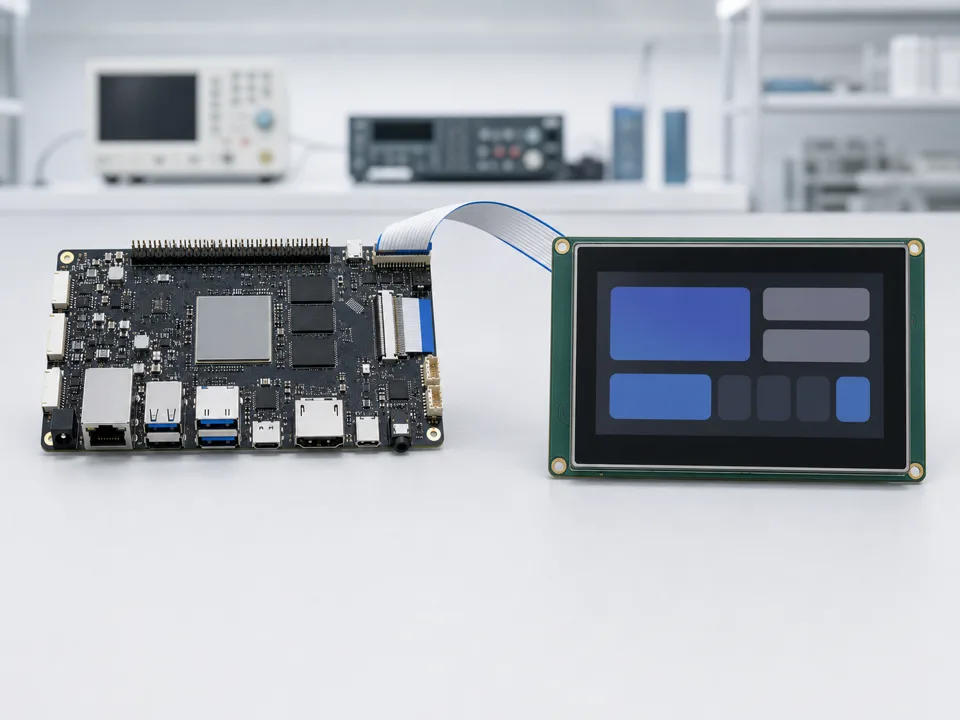
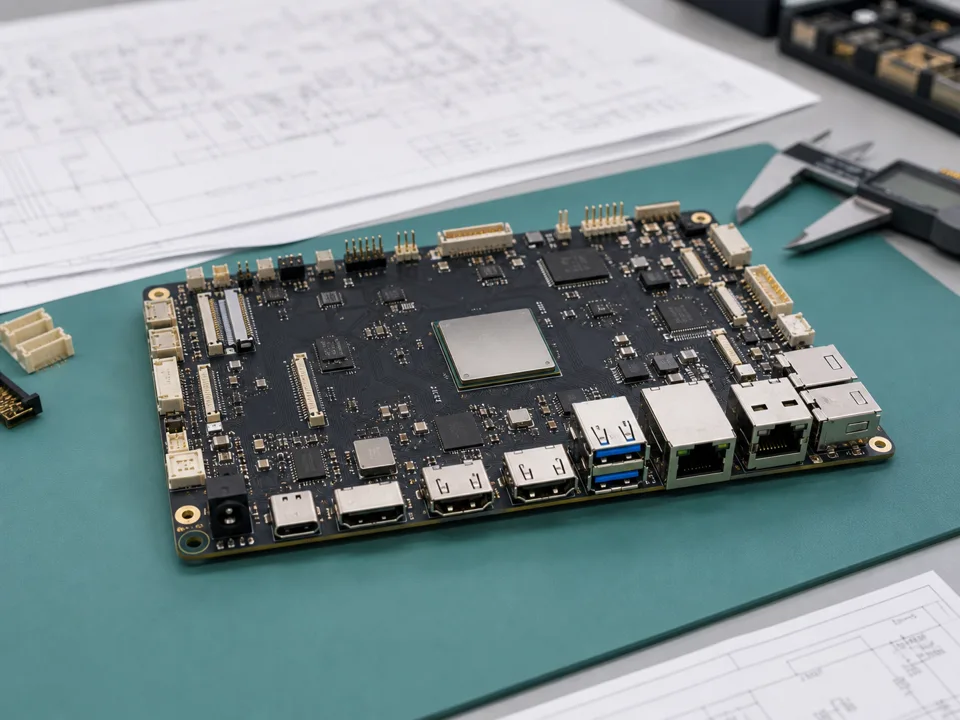
Rockchip PX30 Platform
PX30 SoC overview for compact Android and Linux products
PX30 is a practical Rockchip SoC direction for compact terminals, display products, smart control devices, and connected embedded equipment with moderate performance requirements. Avontek uses PX30 when the product needs Android or Linux support, compact board size, display and touch integration, wireless options, and product-specific mainboard customization.
For a PX30 SBC inquiry, the most useful early materials are a real interface list, display and touch datasheets, enclosure drawing, target quantity, and preferred operating system. Those details help separate confirmed board support from new BSP, connector, or layout work before the RFQ becomes a schedule promise.
For broader platform selection, compare this page with the Rockchip SBC hub. If the project starts from software direction, review Android SBC or Linux SBC. If the final product requires a product-specific board shape or connector layout, continue with Custom SBC planning.
PX30 SBC SoC specifications
These values are prepared as a technical framework for project review. Final public values should be checked against the selected SoC documentation, SDK, and Avontek board configuration before publication.
Quad-core Arm Cortex-A35 class processor direction for compact embedded Android and Linux products.
Embedded GPU direction for practical UI, display, and terminal applications.
DDR3, DDR3L, LPDDR2, LPDDR3, or LPDDR4 direction depending on board design and supply plan.
eMMC, SD card, SPI flash, and project-specific storage options can be planned at board level.
MIPI DSI, RGB, LVDS, or HDMI display direction should be checked against the selected board and display module.
Camera interface support can be evaluated when the product needs image capture or scanning functions.
Ethernet, Wi-Fi, Bluetooth, and module options are handled through SBC or custom mainboard design.
USB, UART, I2C, SPI, GPIO, PWM, audio, touch, and other product interfaces can be planned by schematic and connector layout.
Android and embedded Linux BSP directions, including boot, kernel, device tree, display, touch, and peripheral bring-up.
Avontek PX30 SBC custom board direction
Avontek uses PX30 SBC as a B2B project platform for custom mainboards designed around real product requirements, including enclosure, display, I/O, power, software, testing, and supply planning.
Memory capacity is selected according to operating system, UI workload, application services, cost target, and supply requirements.
eMMC, SD card, SPI flash, or project-specific storage layout can be planned according to boot, update, logging, and production needs.
Display connector, touch controller, backlight control, cable direction, and panel integration can be adapted to the selected screen module.
Ethernet, Wi-Fi, Bluetooth, LTE/4G module direction, antenna planning, and module lifecycle can be reviewed by project requirements.
USB, UART, RS232, RS485, I2C, SPI, GPIO, PWM, audio, camera, sensors, relay, or product-specific interfaces can be planned.
5V, 12V, DC input, battery-related input, protection, sequencing, and connector direction can be designed for the final product.
PCBA outline, mounting holes, connector position, component height, cable direction, enclosure fit, and customer mold adaptation can be customized.
BOM review, sample bring-up, functional testing, software image check, PCBA production coordination, and delivery planning can be included.
Android BSP, Linux BSP, and driver support
A PX30 SBC project needs more than a board schematic. Avontek can support the operating system direction, BSP adaptation, peripheral bring-up, driver integration, system image preparation, testing, and production feedback loop.
- Android or embedded Linux BSP adaptation according to the selected SoC, SDK, display, I/O, and application environment.
- Bootloader, kernel, device tree, root filesystem or Android system image preparation, peripheral bring-up, and debugging.
- Driver support for display, touch, camera, audio, Ethernet, USB, UART, GPIO, Wi-Fi, Bluetooth, storage, and product-specific modules.
- System image preparation for prototype testing, customer application environment, factory test, and follow-up production delivery.
Customization options
For volume products, a PX30 SBC board often needs to fit the real product structure, interface direction, BOM target, software image, and manufacturing process.
- PCBA outline, board size, mounting holes, component height limits, and connector positions designed around the customer enclosure or mold.
- Display, touch panel, camera, audio, Ethernet, USB, serial ports, wireless module, power input, RTC, watchdog, storage, and sensor options.
- Component selection, IC selection, BOM optimization, lifecycle review, alternative material planning, and cost target discussion.
- BSP adaptation, driver integration, system image customization, function testing, and production test planning.
Where PX30 SBC fits
- The product needs a compact Rockchip Android SBC or Linux SBC with moderate performance.
- The project requires display, touch, wireless, and practical I/O in a controlled board size.
- The final product needs a custom PX30 board adapted to a real enclosure.
- The product needs stronger CPU, GPU, AI, or multimedia performance.
- The project requires a newer long-term high-performance Rockchip platform.
Project documents and engineering assets
This area is reserved for SoC datasheets, Avontek board specification references, interface drawings, mechanical references, BSP notes, and project photos. Files can be added after parameter checking and photo preparation.
PX30 SBC pricing and project quotation
PX30 SBC projects are quoted according to the selected configuration, customization scope, operating system work, driver requirements, testing plan, production quantity, and delivery schedule. Avontek does not treat this page as a fixed-price online product listing; it is a platform page for B2B project review and custom board development.
Memory, storage, display interface, wireless module, power input, connector layout, PCBA outline, BOM target, and order quantity.
Android or Linux BSP adaptation, peripheral driver bring-up, system image preparation, functional testing, and production support.
Application scenario, OS direction, display and touch requirements, I/O list, enclosure constraints, target quantity, and schedule.
PX30 SBC questions
- Is PX30 suitable for Android SBC projects?
- Yes. PX30 can be evaluated for compact Android SBC projects such as display terminals, HMI panels, smart control devices, and connected commercial products.
- Can PX30 run embedded Linux?
- PX30 can also be used for embedded Linux projects depending on the interface, application, and BSP direction. Avontek can help compare Android and Linux paths.
- Can Avontek customize a PX30 board?
- Yes. Avontek can support custom PX30 board development around display, touch, wireless, connector layout, power input, PCBA outline, enclosure fit, and production testing.
- When should PX30 be compared with RK3566?
- PX30 is useful for compact moderate-performance products, while RK3566 is often considered when the project needs more performance headroom, richer interfaces, or broader Android and Linux planning.