
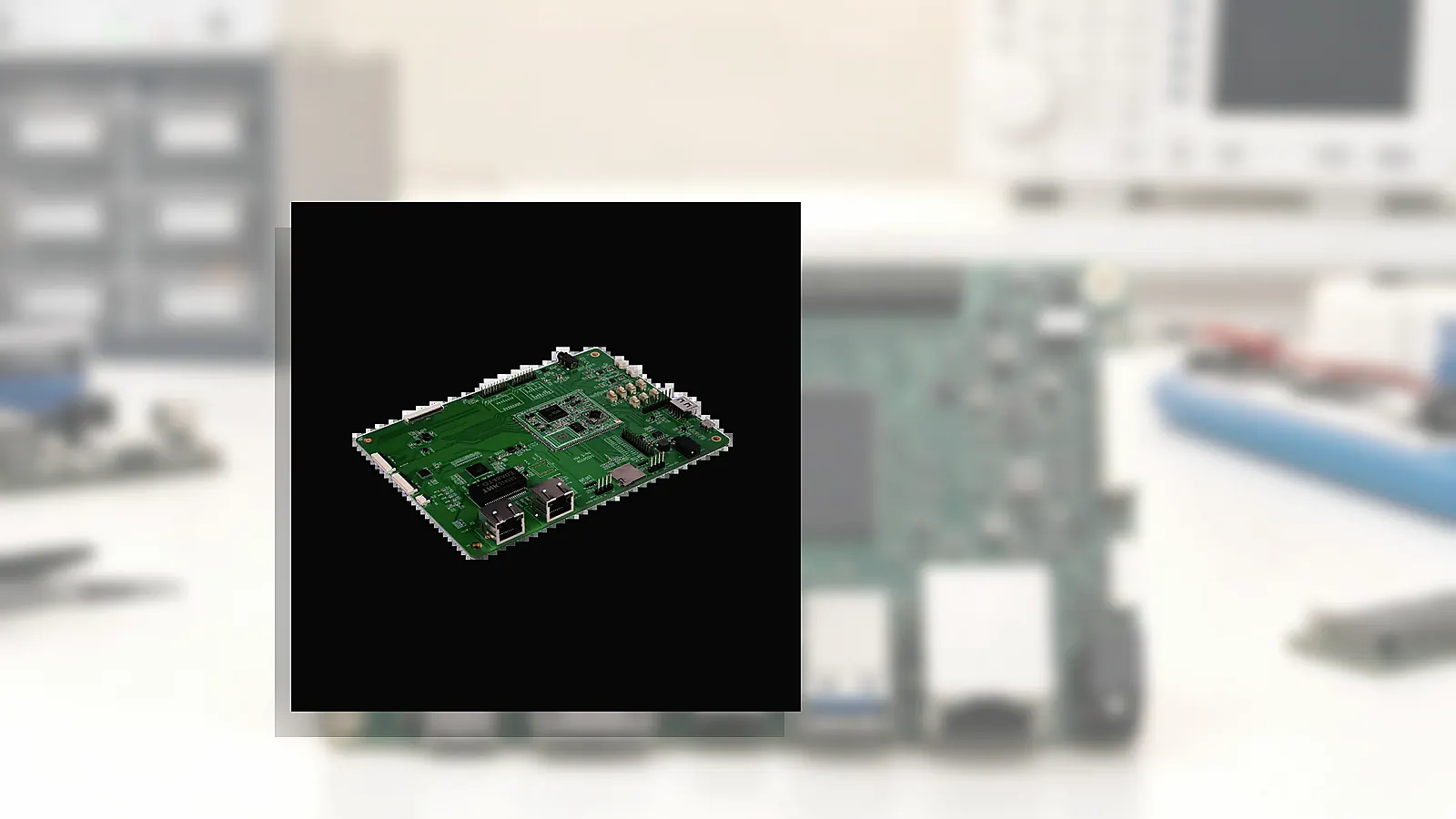
Allwinner R528 and R128 projects are usually different from Android display products. They are more often discussed for Linux gateways, audio-related devices, industrial interfaces, compact control products, smart connected devices, and RTOS-based products with focused behavior. The board decision should therefore start from interfaces, software behavior, boot requirements, power design, enclosure, and production testing.
Gateway planning should name every device connected in the field. For Allwinner Linux and RTOS SBC for Gateway, Audio, and Control: R528 and R128 Planning, write down the protocol, baud rate or network path, polling interval, data buffer rule, credential storage, and recovery behavior before choosing the Linux SBC. Those notes make hardware, BSP, and cloud integration decisions much less vague.
R528 is typically a Linux-oriented direction for gateway, control, audio, and connected device applications. R128 is more suitable for compact RTOS-based audio, smart device, IoT, and control products. Both can be useful when the product does not need a heavy Android UI but still needs practical embedded processing and production-oriented customization.
R528 for Linux gateway and control products
An R528 SBC can fit products that need embedded Linux, practical I/O, audio support, communication interfaces, and compact hardware. Typical examples include IoT gateways, data collection devices, audio control products, connected terminals, and equipment interfaces.
For R528 Linux projects, define Ethernet, Wi-Fi, Bluetooth, USB, UART, RS485, GPIO, audio, storage, RTC, watchdog, and power recovery requirements. If the product runs background services, define service startup, logging, update method, and what happens after sudden power loss. These details matter more than a generic processor comparison.
R128 for RTOS audio and compact smart devices
An R128 SBC direction can be considered when the product needs compact control, audio behavior, smart device connectivity, or focused IoT functions without a full Linux or Android stack. RTOS-based products often care about boot speed, predictable tasks, smaller software footprint, and specific peripheral behavior.
R128 planning needs to cover audio path, wireless needs, control interfaces, storage if required, power consumption, boot behavior, update method, and factory test access. If the product is audio-related, speaker, microphone, codec, amplifier, acoustic structure, and enclosure design need review together.
Interface and software checklist
Use a checklist before choosing R528, R128, or another Allwinner SBC direction:
| Area | R528 Linux questions | R128 RTOS questions |
|---|---|---|
| Software | Kernel, rootfs, services, logs, update method | RTOS tasks, boot time, firmware update |
| Network | Ethernet, Wi-Fi, Bluetooth, LTE if needed | Wi-Fi/Bluetooth behavior if used |
| Control I/O | UART, RS485, GPIO, CAN, USB | GPIO, UART, sensors, compact control |
| Audio | Codec, speaker, microphone, latency, testing | Audio path, amplifier, acoustic constraints |
| Power | Input voltage, restart, watchdog, storage safety | Low power, standby, wake behavior |
| Production | Flashing, identifiers, functional test | Firmware flashing, fixture and audio test |
The official FreeRTOS documentation is useful background for RTOS concepts, though the actual R128 project depends on the selected SDK, board design, and supplier support.
BSP, driver, and firmware support
For R528 Linux projects, BSP support may include bootloader, kernel, device tree, root filesystem, Ethernet, wireless, serial ports, GPIO, audio, storage, watchdog, and service startup. For R128 RTOS projects, firmware support may involve board configuration, peripheral drivers, task behavior, wireless or audio integration, and update process.
Ask the supplier what is standard and what requires custom work. A demo image or SDK is only the starting point. A production product needs a tested firmware or system image, flashing method, known limitations, and version control.
Buyers should also clarify the boundary between board support and application development. The supplier may provide a stable system image, driver adaptation, and factory flashing method, while the customer owns the business application or cloud protocol. Writing this boundary down helps avoid schedule confusion when software testing begins.
Custom board development
R528 and R128 projects often move toward a Custom SBC because the final product needs specific connectors, compact layout, audio placement, antenna position, power input, terminal wiring, or mounting structure. For audio products, microphone and speaker placement may drive board and enclosure design. For gateways and controllers, field wiring and service access may drive connector layout.
If the product is used in industrial or equipment environments, compare the Industrial SBC direction. Protection, terminal wiring, long cable behavior, and field service needs review before layout is locked.
Production testing
Production testing needs to match the product function. R528 gateway testing may include Ethernet, wireless, serial ports, GPIO, audio, storage, watchdog, service startup, and power recovery. R128 testing may include firmware version, wireless, buttons, LEDs, sensors, audio path, power behavior, and final application workflow.
For related articles, read kernel, device tree, rootfs, and driver support and field I/O mapping for IoT gateways. These help connect interface planning with software delivery and manufacturing.
Final recommendation
Choose R528 when the product needs Linux services, gateway behavior, control interfaces, audio support, or connected device functions. Choose R128 when the product needs compact RTOS behavior, audio or smart device functions, and a focused firmware path. In both cases, define I/O, software behavior, enclosure, test method, and production quantity before locking the board direction.
Frequently Asked Questions
What details are useful before we talk about an Allwinner SBC build?
Send the use case, OS preference, display or I/O list, enclosure limits, power input, wireless needs, target quantity, and timing. With that context, Avontek can suggest a Allwinner SBC hardware path that fits the real device instead of only comparing board specifications.
When is a custom SBC worth considering for an Allwinner SBC product?
A custom SBC is worth reviewing when the device needs a fixed PCBA outline, connector position, display interface, power input, wireless module, mounting method, or cost target that a catalog board cannot meet cleanly.
Can Avontek stay involved after Allwinner SBC samples are built?
Yes. Avontek can help with Allwinner SBC board choice, Android or Linux BSP discussion, peripheral checks, sample bring-up, test fixtures, image review, and factory coordination.